
The Overlanding Gear You’ll Actually Use
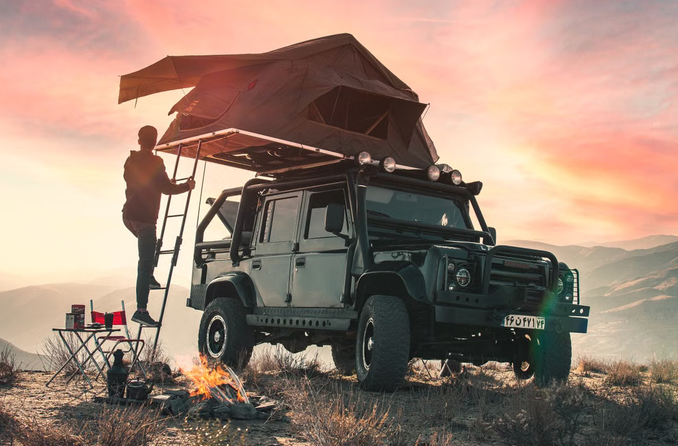
Overlanding can turn sensible drivers into mobile warehouse managers. Suddenly the roof is covered in boxes, the cargo area resembles a hardware shop, and nobody remembers the socks. Choose gear that solves real problems rather than equipment that merely looks adventurous. If a gadget stays buried all trip, you have packed an expensive paperweight.
Recovery Gear Earns Its Space
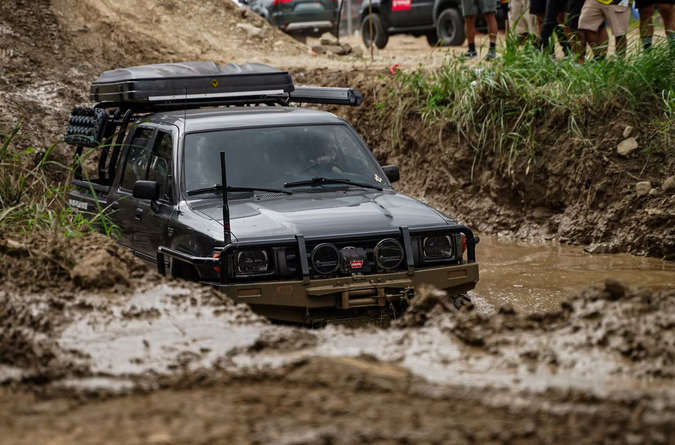
Recovery gear belongs near the top because mud has no respect for confidence. A quality recovery strap, rated shackles, traction boards, and a suitable jack can turn a miserable afternoon into a manageable one. You do not need enough equipment to recover a tank. You need tools that match your vehicle and provide an escape. A portable compressor is useful too. Lower tire pressures can improve grip on rough tracks, but you need to air back up before normal roads. Keep a tire pressure gauge nearby because kicking a tire is not precision engineering. Add a puncture repair kit, and a slow leak becomes a roadside job instead of a rescue call.
Water and Cooking Stay Practical
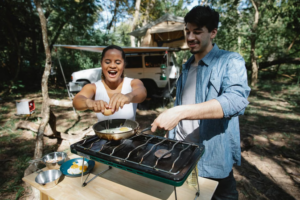 Water may be boring, but running out of it is considerably less entertaining. A sturdy container can supply drinking water, cooking water, and enough for basic cleaning. For longer trips, filtration provides another option when safe water is limited. None of this looks glamorous, which is why it belongs near the top. Cooking equipment should follow the same rule. A compact stove, fuel, pan, mug, and knife can handle plenty of meals without filling half the vehicle. You do not need seventeen utensils because somebody online cooked breakfast beside a waterfall. Keep the setup simple, washable, and quick to pack.
Light and Power Have Real Jobs
Darkness has a habit of arriving during repairs. A headlamp lets you work with both hands, while a flashlight helps inspect tires, the engine bay, or a campsite. Vehicle-mounted lights can help on remote tracks, but they are hardly essential for every adventure. The best light is the one you can reach instantly. Power equipment deserves restraint too. A portable power station or auxiliary battery can keep phones, cameras, navigation devices, and other essentials running. Solar panels make sense for extended stays, but they add weight and storage demands. For one weekend, you do not need enough electrical equipment to operate a village.
Shelter and Storage Should Work Hard
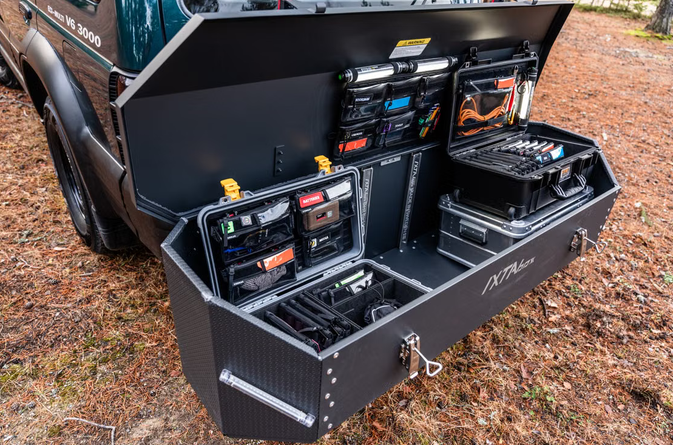
A decent sleeping setup can separate a relaxing night from waking up shaped like a question mark. A sleeping bag, sleeping mat, and weatherproof shelter provide more value than decorative camping accessories. Rooftop tents are convenient, but a ground tent can be lighter, cheaper, and perfectly capable. The correct setup is one you can assemble while tired. Storage should solve another problem: chaos. Strong boxes protect food, tools, and recovery equipment, while soft bags squeeze clothing into awkward spaces. Label important gear because searching for a tire repair kit beneath cookware is a terrible emergency strategy.
Check your vehicle’s payload because an overloaded rig is still overloaded, even with magnificent stickers. The smartest overlanding setup is rarely the one with the most toys. Pack for the actual route, test your equipment, and remove anything that never earns its space. Your back, suspension, and fuel bill will appreciate the restraint.…